
The electronics industry is evolving faster than ever, driven by innovations in artificial intelligence, electric vehicles, medical technology, industrial automation, telecommunications, and consumer electronics. As products become increasingly sophisticated, companies face growing pressure to shorten development cycles, reduce manufacturing costs, maintain exceptional quality, and respond quickly to changing market demands. Meeting these expectations requires more than just high-quality PCB fabrication or assembly—it requires a complete manufacturing solution. This is where Electronics Manufacturing Services play a vital role.
Electronics Manufacturing Services (EMS) providers offer comprehensive solutions that support every stage of the product lifecycle, from prototype development and component sourcing to PCB assembly, system integration, testing, and logistics. By partnering with an experienced EMS provider, businesses can focus on product innovation, marketing, and customer growth while leaving complex manufacturing operations to specialized professionals.
Among the world’s leading manufacturing destinations, China has become the preferred choice for electronics production. An experienced EMS Manufacturer in China combines advanced manufacturing technologies, highly skilled engineering teams, integrated supply chains, and competitive production costs to deliver reliable manufacturing solutions for companies around the globe.
This article explores the role of Electronics Manufacturing Services, the manufacturing process, benefits, industry applications, and the reasons why China continues to lead the global EMS industry.
Understanding Electronics Manufacturing Services
Electronics Manufacturing Services refer to a complete range of outsourced manufacturing solutions provided to electronics companies throughout the product development and production lifecycle. Rather than managing multiple suppliers for PCB fabrication, assembly, component procurement, testing, and logistics, businesses can work with a single EMS provider that coordinates every stage of manufacturing.
Modern EMS companies support projects from the earliest prototype phase through full-scale production and after-sales support. Their services often include engineering consultation, design verification, printed circuit board fabrication, component sourcing, Surface Mount Technology (SMT) assembly, through-hole assembly, box build assembly, functional testing, product packaging, and global distribution.
This integrated approach simplifies manufacturing management while improving production efficiency, reducing lead times, and ensuring consistent product quality.
The Electronics Manufacturing Process
The EMS process begins once a customer completes the product design and submits manufacturing documentation. Engineering teams review design files, assembly drawings, Bills of Materials (BOM), and manufacturing specifications to ensure the product is ready for production.
Many EMS providers perform Design for Manufacturability (DFM) and Design for Assembly (DFA) reviews before production begins. These engineering evaluations identify opportunities to improve manufacturability, reduce production costs, and enhance long-term product reliability.
After design verification, electronic components are sourced through qualified supply chain partners. Careful component selection helps prevent counterfeit parts while ensuring availability and consistent product quality.
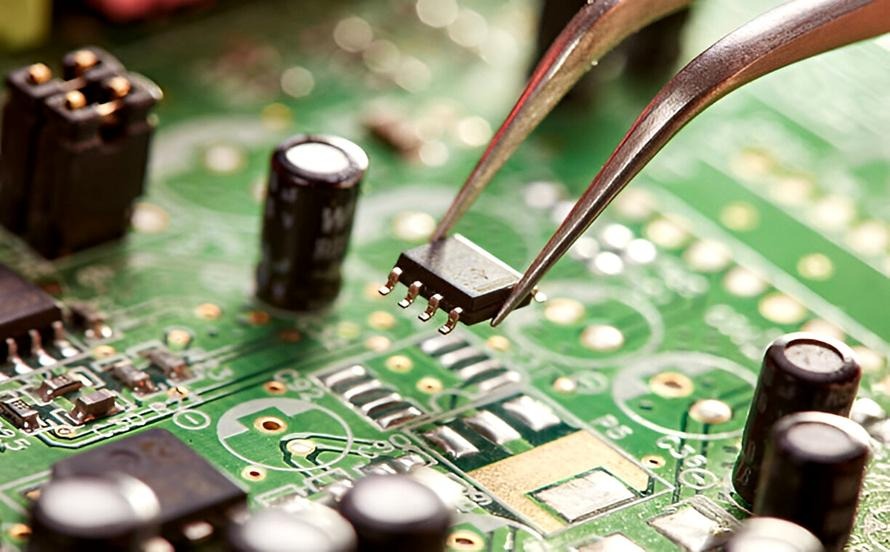
Printed circuit boards are then fabricated according to customer specifications before entering automated PCB assembly lines. High-speed pick-and-place equipment accurately positions electronic components, followed by precision reflow soldering or wave soldering depending on the assembly requirements.
Completed assemblies undergo comprehensive inspection and testing before moving to system integration. Many EMS providers also perform enclosure assembly, cable installation, software programming, product calibration, final testing, packaging, and logistics coordination before shipment to customers worldwide.
Why Businesses Choose Electronics Manufacturing Services
Outsourcing manufacturing allows businesses to concentrate on product design, software development, marketing, and customer support while experienced manufacturing specialists handle production operations. This approach significantly reduces capital investment because companies do not need to purchase expensive manufacturing equipment or maintain large production facilities.
Electronics Manufacturing Services also improve production flexibility. Whether manufacturing small prototype quantities or high-volume commercial products, EMS providers can adjust production capacity according to customer demand.
Another major advantage is access to specialized manufacturing expertise. Professional EMS providers continuously invest in advanced production equipment, automation technologies, engineering talent, and quality management systems that would be difficult for many individual companies to maintain internally.
Working with an EMS provider also simplifies supply chain management by consolidating procurement, manufacturing, testing, and logistics into a single coordinated operation.
Why China Has Become the Global EMS Leader
China has earned its position as the world’s leading electronics manufacturing hub through decades of investment in technology, infrastructure, and manufacturing expertise. Today, many global companies choose an EMS Manufacturer in China because of the country’s ability to deliver comprehensive manufacturing solutions efficiently and competitively.
One of China’s greatest strengths is its mature electronics supply chain. PCB manufacturers, semiconductor suppliers, electronic component distributors, assembly facilities, testing laboratories, and logistics providers operate within closely connected industrial networks that improve manufacturing efficiency and reduce production lead times.
Chinese EMS companies have also invested heavily in advanced automation technologies, including intelligent production lines, automated optical inspection systems, robotic assembly equipment, laser processing technologies, and digital manufacturing management systems.
Combined with experienced engineering teams and large-scale manufacturing capacity, these capabilities allow Chinese manufacturers to produce high-quality electronic products for customers across virtually every industry.
Applications of Electronics Manufacturing Services
Electronics Manufacturing Services support a wide range of industries requiring precision manufacturing and consistent product quality. Consumer electronics manufacturers rely on EMS providers to produce smartphones, tablets, laptops, wearable devices, gaming systems, smart home products, and entertainment electronics.
The automotive industry depends heavily on EMS companies for manufacturing advanced driver assistance systems, electric vehicle electronics, battery management systems, infotainment platforms, engine control units, and safety systems that must meet strict reliability standards.
Medical technology companies utilize EMS providers to manufacture diagnostic equipment, patient monitoring systems, portable healthcare devices, laboratory instruments, imaging systems, and surgical equipment where manufacturing quality directly affects patient safety.
Industrial automation, robotics, telecommunications infrastructure, renewable energy systems, aerospace electronics, defense technologies, networking equipment, and Internet of Things (IoT) devices also represent major application areas for Electronics Manufacturing Services.
Quality Assurance Throughout EMS Production
Maintaining consistent quality is one of the primary responsibilities of an EMS provider. Every stage of production is carefully monitored to ensure products meet customer specifications and international quality standards.
Incoming materials undergo inspection to verify authenticity, quality, and compliance before entering production. Automated solder paste inspection systems ensure accurate solder deposition during PCB assembly, while high-speed Automated Optical Inspection (AOI) identifies component placement errors, polarity issues, and solder defects.
X-ray inspection evaluates hidden solder joints in Ball Grid Array (BGA) and other advanced component packages. Electrical testing confirms circuit continuity, while functional testing verifies that assembled products perform according to their intended design.
Many EMS providers also perform environmental testing, thermal cycling, vibration testing, burn-in testing, and product reliability assessments depending on customer requirements.
Compliance with internationally recognized certifications such as ISO 9001, ISO 13485, IATF 16949, IPC standards, UL certification, and RoHS compliance demonstrates a manufacturer’s commitment to delivering reliable products for global markets.
Factors to Consider When Selecting an EMS Partner
Choosing the right EMS partner is an important strategic decision that can significantly influence product success. Businesses should evaluate manufacturing capabilities, engineering expertise, production capacity, quality management systems, and customer support before selecting a provider.
An experienced EMS company should possess expertise across multiple PCB technologies, assembly methods, testing procedures, and product integration services. The ability to support both prototype development and high-volume production ensures greater flexibility as business needs evolve.
Engineering support is equally valuable. Manufacturers capable of providing Design for Manufacturability guidance help customers optimize product designs while reducing production costs and improving long-term reliability.
Transparent communication, dependable production schedules, responsive technical support, and strong supply chain management further contribute to successful long-term manufacturing partnerships.
Future Trends in Electronics Manufacturing Services
The EMS industry continues to evolve alongside advances in digital manufacturing and smart factory technologies. Artificial intelligence, machine learning, predictive maintenance, and real-time production monitoring are improving manufacturing efficiency while reducing production defects.
Increasing demand for electric vehicles, wearable healthcare products, artificial intelligence hardware, autonomous systems, renewable energy equipment, and 5G communication infrastructure is driving continuous investment in advanced manufacturing technologies.
Sustainability is also becoming an increasingly important priority. Many EMS providers are adopting environmentally responsible manufacturing processes, energy-efficient equipment, recyclable materials, and waste reduction programs to support global environmental initiatives.
As electronic products continue to become more intelligent and interconnected, EMS providers will play an even greater role in enabling technological innovation across virtually every industry.
Conclusion
Electronics Manufacturing Services have become an essential part of the modern electronics industry by providing comprehensive manufacturing solutions that simplify production, improve quality, reduce costs, and accelerate product development. From engineering support and PCB assembly to testing, system integration, and global logistics, EMS providers help businesses bring innovative products to market efficiently and reliably.
Choosing an experienced EMS Manufacturer in China offers significant advantages, including advanced manufacturing capabilities, integrated supply chains, skilled engineering expertise, competitive pricing, and scalable production capacity. By partnering with a trusted EMS provider, companies can focus on innovation and business growth while relying on world-class manufacturing solutions to deliver high-quality electronic products that meet the demands of today’s competitive global marketplace.
