
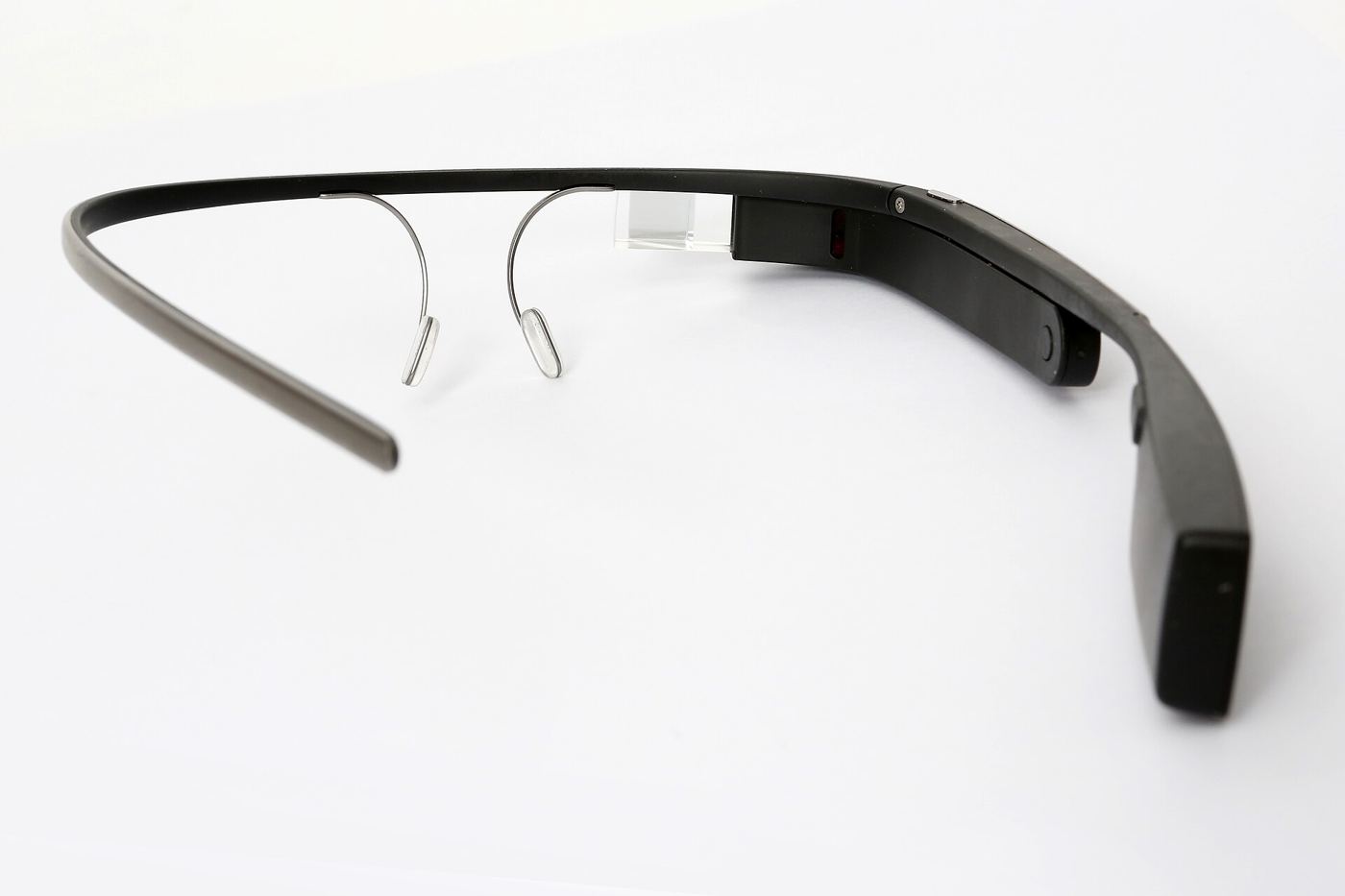
For a deaf or hard-of-hearing traveller, the hardest moments are often ordinary ones, such as hearing a platform announcement change, understanding a hotel receptionist behind a screen or following a tour guide in a noisy street. Smart glasses with live captioning aim to help by listening to nearby speech and displaying a running transcript in the wearer’s view, without requiring the other person to use a special device. Trials and early commercial products focus on clear captions, low delay and controls that let the wearer adjust text size and brightness. Users involved in testing often say the value is independence, being able to handle a conversation directly rather than relying on written notes, gestures or a companion interpreting every exchange in public. Travel companies and museums are watching the technology closely, since a visitor who can follow a guide independently may need less separate provision, although responsible providers say wearable captions should expand choice rather than quietly replace existing accessible services.
What the Evidence Shows
The technology still has limits, including battery life, accuracy in crowded places, difficulty identifying who is speaking and questions about recording conversations in public. Designers are responding with directional microphones, on-device processing where possible and visible indicators when listening is active. Accessibility specialists also stress that captions are one option among many, and should complement rather than replace sign language services, hearing loops and trained staff. Even so, wearable captions point toward a broader idea in assistive technology, which is to put the aid in the hands, or in this case in the view, of the person who needs it, at the moment an everyday conversation is happening around them. Cost will decide how widely the glasses spread beyond early adopters, and deaf organisations are pressing manufacturers to involve their communities in design from the start, rather than presenting finished products built around assumptions about what users actually want. Reporting and analysis from sources such as Wired track the same developments, and specialists following captioning smart glasses say the direction is now consistent across independent lines of evidence.
The Wider Context
The wider context is an industry learning to ship capability and restraint together. Products built around captioning smart glasses now launch with safety evaluations, usage data and rollback plans as standard, because enterprise buyers and regulators ask for them in the first meeting. Companies that treated those questions as friction are discovering they have become the purchase criteria.
What Happens Next
What happens next for captioning smart glasses depends less on another breakthrough than on the unglamorous work of reliability, pricing and support. The buyers evaluating it now are not enthusiasts; they are operators with budgets and auditors, and their checklists will decide the timeline. On the evidence of the current pilots, the technology has earned the right to be judged by them. You can follow related developments in our coverage of technology.
None of this will be settled by a single announcement, study or product launch. The pattern to watch is accumulation: independent confirmations, honest reporting of failures and steady improvement in the underlying numbers. Readers who follow those signals, rather than the loudest claim of the week, will understand this subject better than most of the commentary surrounding it suggests is possible.
