
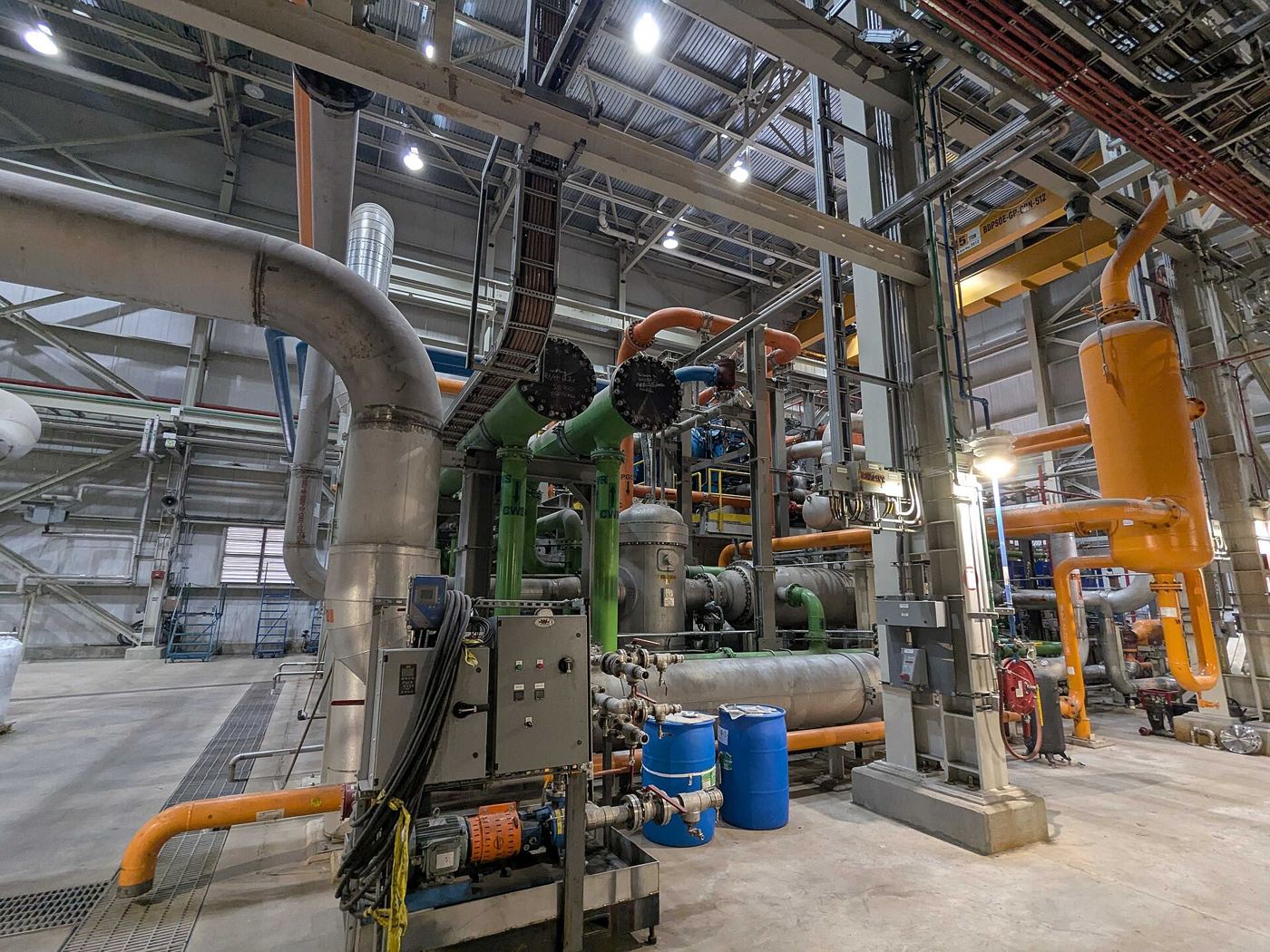
Cutting emissions is the first step in slowing climate change, but many scientists say it will not be enough on its own. Some carbon dioxide will have to be pulled back out of the atmosphere, and direct air capture machines are designed to do exactly that. Large fans blow air across filters coated with chemicals that trap carbon dioxide, and when the filters are full they are heated to release the gas, which can then be stored deep underground or turned into useful products. The first commercial plants are already running, capturing thousands of tonnes a year, and larger plants are under construction that aim to capture a million tonnes each. The idea is simple in principle, but the air is thin in carbon dioxide, only about four molecules in every ten thousand, so a plant must process enormous volumes of air to collect a meaningful amount.
What the Evidence Shows
The main obstacle is cost and energy. Capturing a tonne of carbon dioxide currently costs several hundred dollars, and the process needs a lot of heat and electricity, which must come from clean sources or the effort is wasted. Supporters say the price will fall as more plants are built, just as solar panels became cheaper with scale, and governments are beginning to pay companies for each tonne removed. Critics warn that the technology could become an excuse to keep burning fossil fuels, and that planting trees and protecting forests removes carbon far more cheaply. Researchers say both are needed, and that direct air capture is a tool for the hardest emissions to eliminate, not a replacement for cutting them in the first place. Reporting and analysis from sources such as MIT Technology Review track the same developments, and specialists following the direct air capture plants say the direction is now consistent across independent lines of evidence.
The Wider Context
The wider context is an industry learning to ship capability and restraint together. Products built around the direct air capture plants now launch with safety evaluations, usage data and rollback plans as standard, because enterprise buyers and regulators ask for them in the first meeting. Companies that treated those questions as friction are discovering they have become the purchase criteria.
What Happens Next
What happens next for the direct air capture plants depends less on another breakthrough than on the unglamorous work of reliability, pricing and support. The buyers evaluating it now are not enthusiasts; they are operators with budgets and auditors, and their checklists will decide the timeline. On the evidence of the current pilots, the technology has earned the right to be judged by them. You can follow related developments in our coverage of technology.
There is a practical lesson in all of this for readers deciding what to do today. Start with the verified facts, be wary of anyone promising certainty, and prefer reversible steps while the evidence is still developing. Circumstances differ by country, income and personal situation, so general guidance should always be weighed against your own context before you act on it in any significant or lasting way.
