
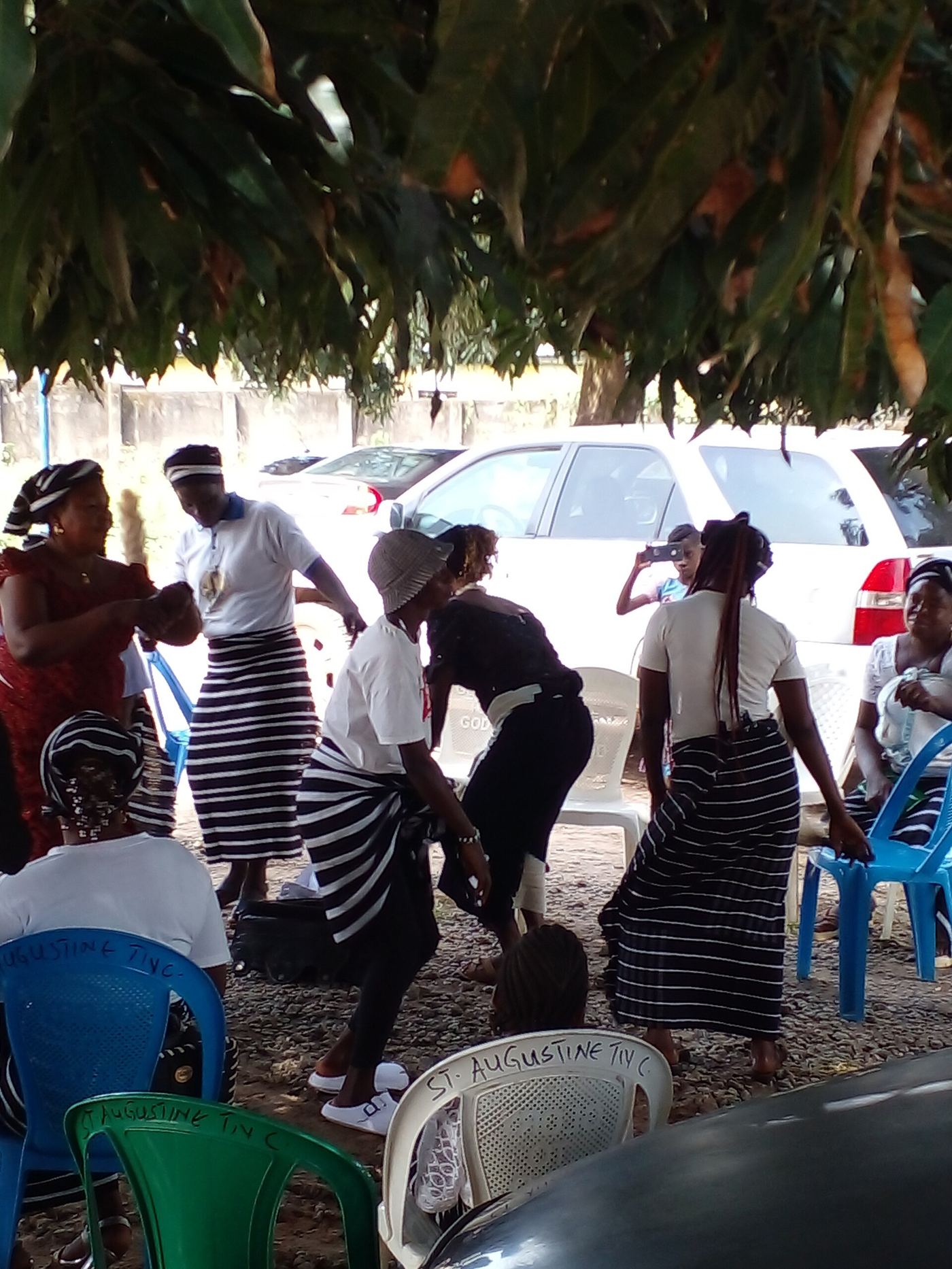
Dancing is bringing fitness and fun to people of every age, as health experts highlight an activity that exercises the body and lifts the mood at the same time. A dance class works the heart, legs and core, improves balance and coordination, and asks the brain to remember steps and follow music, which researchers say supports memory and thinking. Unlike many forms of exercise, dancing feels like a social occasion rather than a chore, so people keep coming back week after week. Community halls, leisure centres and online videos offer everything from ballroom and line dancing to salsa and ceilidh, with classes for beginners and for older adults. Many dancers say the friendships matter as much as the fitness, and studies have linked regular dancing with better balance and a lower risk of falls in older people. For anyone bored of the treadmill, dancing is exercise in disguise.
What the Evidence Shows
Experts advise starting with a beginner class and comfortable shoes with a low heel, and warming up gently before dancing. Anyone with a joint problem or a health condition should check with a clinician first, and choose a slower style to begin with. Dancing at home counts too: a favourite playlist and twenty minutes in the living room is a genuine workout. Staying hydrated and resting between dances helps, especially in a warm hall. It is also worth trying different styles until one feels right, since enjoyment is what turns a class into a habit. For dancers of every age, health experts say, the recipe is simple: music, movement and good company, repeated every week. Reporting and analysis from sources such as National Institutes of Health track the same developments, and specialists following dancing as exercise for all ages say the direction is now consistent across independent lines of evidence.
The Wider Context
The wider context is a health system trying to move from treating illness late to preventing it early, against budgets that reward the opposite. Evidence around dancing as exercise for all ages is being weighed by guideline committees that ask two questions in order: does it work, and can ordinary services actually deliver it at scale. Many good ideas pass the first test and stall on the second.
What Happens Next
What happens next for dancing as exercise for all ages depends on the slow machinery of guidelines, funding and training catching up with the evidence. Patients asking about it today should expect honest answers that include uncertainty, and clinicians say a service that explains what is not yet known earns more trust than one that oversells. The research pipeline, at least, is moving in the right direction. You can follow related developments in our coverage of health.
None of this will be settled by a single announcement, study or product launch. The pattern to watch is accumulation: independent confirmations, honest reporting of failures and steady improvement in the underlying numbers. Readers who follow those signals, rather than the loudest claim of the week, will understand this subject better than most of the commentary surrounding it suggests is possible.
