
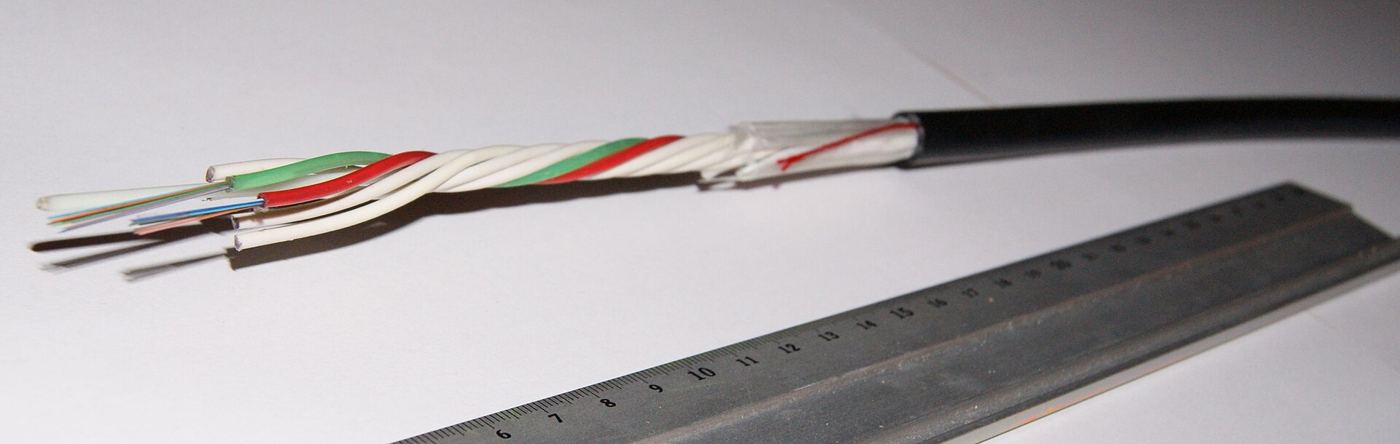
Artificial intelligence is running into a physics problem: moving data between chips with copper wires wastes energy and creates heat, and the problem gets worse as AI systems grow. Photonic computing offers a way out by using light instead of electricity. Lightmatter, a US photonics company, reported in Nature in April 2025 that a packaged photonic processor ran image recognition, language and reinforcement-learning models at 65.5 trillion operations per second on 78 watts of electrical power, a result no electronic chip had matched end to end. In June 2026 the company joined Nvidia’s NVLink Fusion ecosystem, and its optical interconnect products are aimed at the data-movement bottleneck inside large GPU clusters. Photons travel faster than electrons, do not heat the wires they pass through, and can carry many signals at once on different wavelengths of light.
What the Evidence Shows
The field splits into two very different jobs. The nearer-term business is moving data: companies such as Lightmatter, Broadcom and the British startup Salience Labs, which raised 125 million dollars in October 2026, use optics to connect processors, claiming far better energy efficiency for chip-to-chip communication. The harder job is doing the maths itself with light, and here the results are promising but still at pilot scale, with noise, temperature drift and the need to convert between light and electricity eating into the advantage. Investors are nonetheless pouring money in: Neurophos raised 110 million dollars in January 2026 to build photonic AI chips. Whether photonics becomes the backbone of AI or remains a niche, the direction is clear: the future of computing may be lit. For now the technology’s biggest wins are in moving data, not doing maths, but the pilots running today will decide where it goes next. Reporting and analysis from sources such as Wired track the same developments, and specialists following photonic chips computing with light say the direction is now consistent across independent lines of evidence.
The Wider Context
The wider context is an industry learning to ship capability and restraint together. Products built around photonic chips computing with light now launch with safety evaluations, usage data and rollback plans as standard, because enterprise buyers and regulators ask for them in the first meeting. Companies that treated those questions as friction are discovering they have become the purchase criteria.
What Happens Next
What happens next for photonic chips computing with light depends less on another breakthrough than on the unglamorous work of reliability, pricing and support. The buyers evaluating it now are not enthusiasts; they are operators with budgets and auditors, and their checklists will decide the timeline. On the evidence of the current pilots, the technology has earned the right to be judged by them. You can follow related developments in our coverage of technology.
None of this will be settled by a single announcement, study or product launch. The pattern to watch is accumulation: independent confirmations, honest reporting of failures and steady improvement in the underlying numbers. Readers who follow those signals, rather than the loudest claim of the week, will understand this subject better than most of the commentary surrounding it suggests is possible.
